LION
panthera leo
A FEW FACTS ABOUT THE LION
  • A lion's roar can be heard from 5 miles away.
  • Lions can run at speeds of up to 50 mph.
  • Lions are the only cats that live in groups.
  • There can be up to 30 lions in a pride, depending on the amount of food and water.
  • Female lions are the main hunters. While they’re out looking for food, the males guard the pride’s territory and their young.
  • Lions scent mark their territory, using their wee, to create a border.
A FEW FACTS ABOUT THE LION
  • A lion's roar can be heard from 5 miles away.
  • Lions can run at speeds of up to 50 mph.
  • Lions are the only cats that live in groups.
  • There can be up to 30 lions in a pride, depending on the amount of food and water.
  • Female lions are the main hunters. While they’re out looking for food, the males guard the pride’s territory and their young.
  • Lions scent mark their territory, using their wee, to create a border.
The number of African lions in the wild is declining and they’re now thought to be at risk of extinction. Over the last 10 years their numbers have gone down by 30%. The main threat facing African lions in the wild is being killed as part of organised hunts.

Where do lions live?

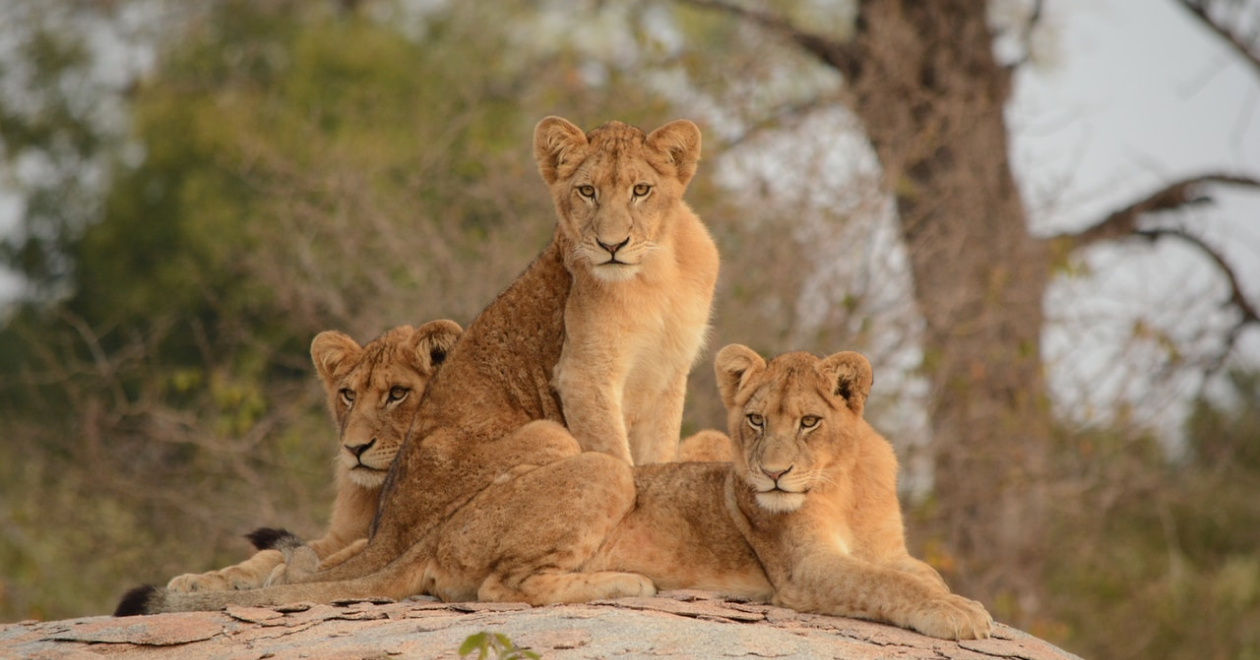
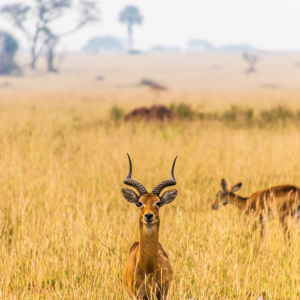
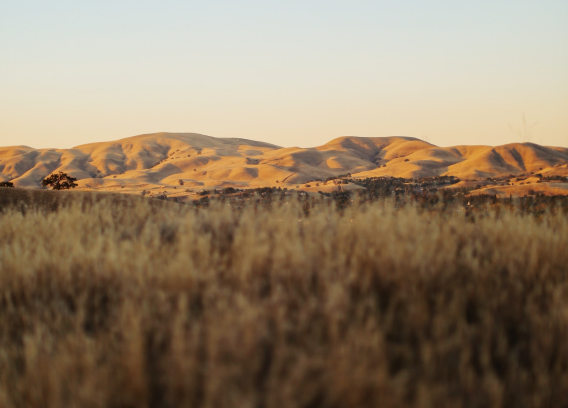
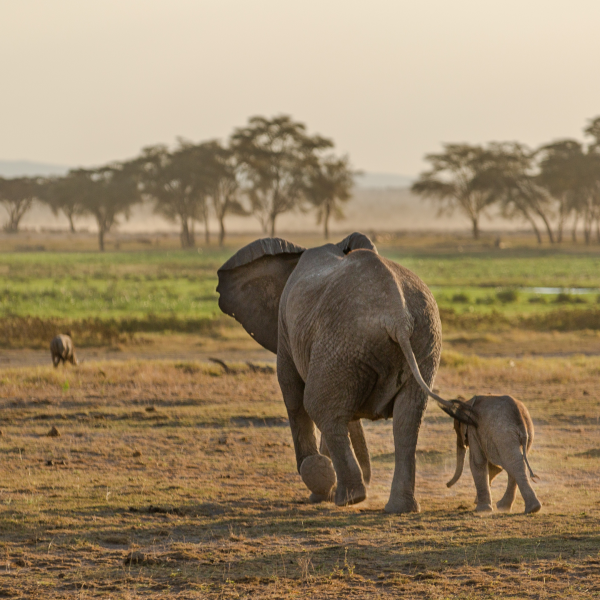
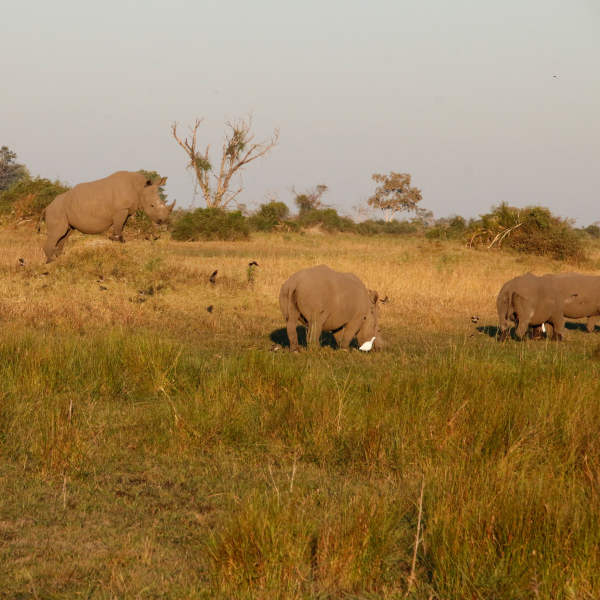
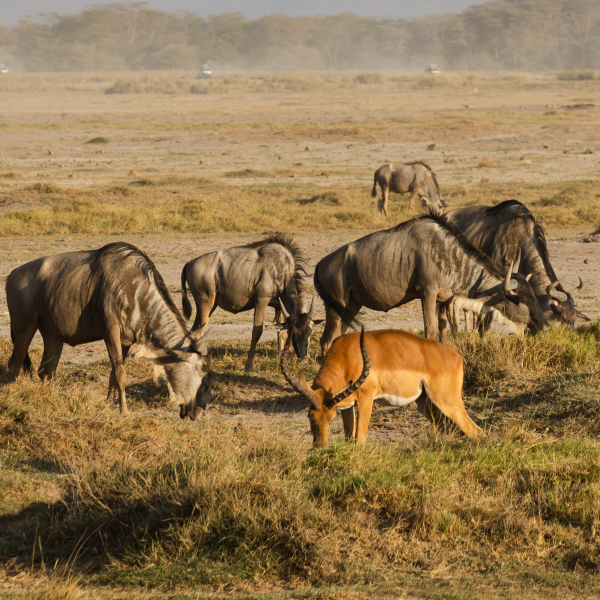
Lions live in a variety of habitats but prefer grassland, savanna, dense scrub, and open woodland. Historically, they lived across much of Europe, Asia, and Africa, but now they are mainly found in parts of Africa south of the Sahara.

What do lions eat?

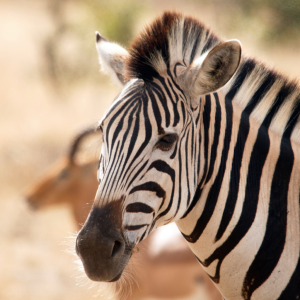
The lion is a generalist hypercarnivore and is considered to be both an apex and keystone predator due to its wide prey spectrum. Its prey consists mainly of mammals, particularly ungulates weighing 190–550kg with a preference for blue wildebeest, plains zebra, African buffalo, gemsbok and giraffe.

What noise do lions make?

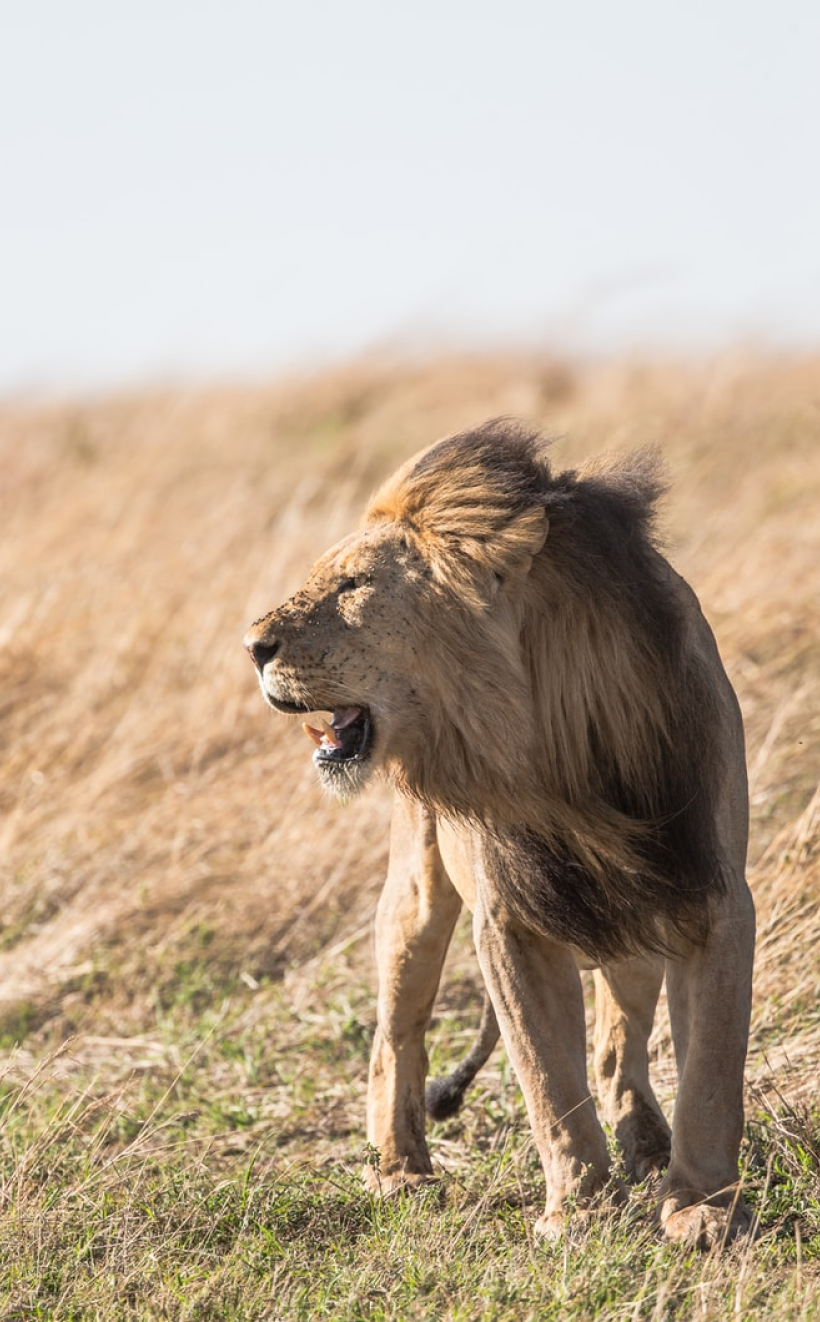
Both male and female lions roar. They usually start off with a few long, deep roars followed by shorter, faster ones. Lions also make other noises. They meow, hiss and snarl, like domestic cats, but louder.

what is the lifespan of a lion?

These big cats have an average lifespan of about 16 years in the wild, depending on their access to nutrition and their natural habitat. However, once a lion reaches age 10, they start to become weak and are unable to provide for themselves as they have been. The lioness has a longer lifespan than a male, even with these challenges.

What is the purpose of a lion’s mane?

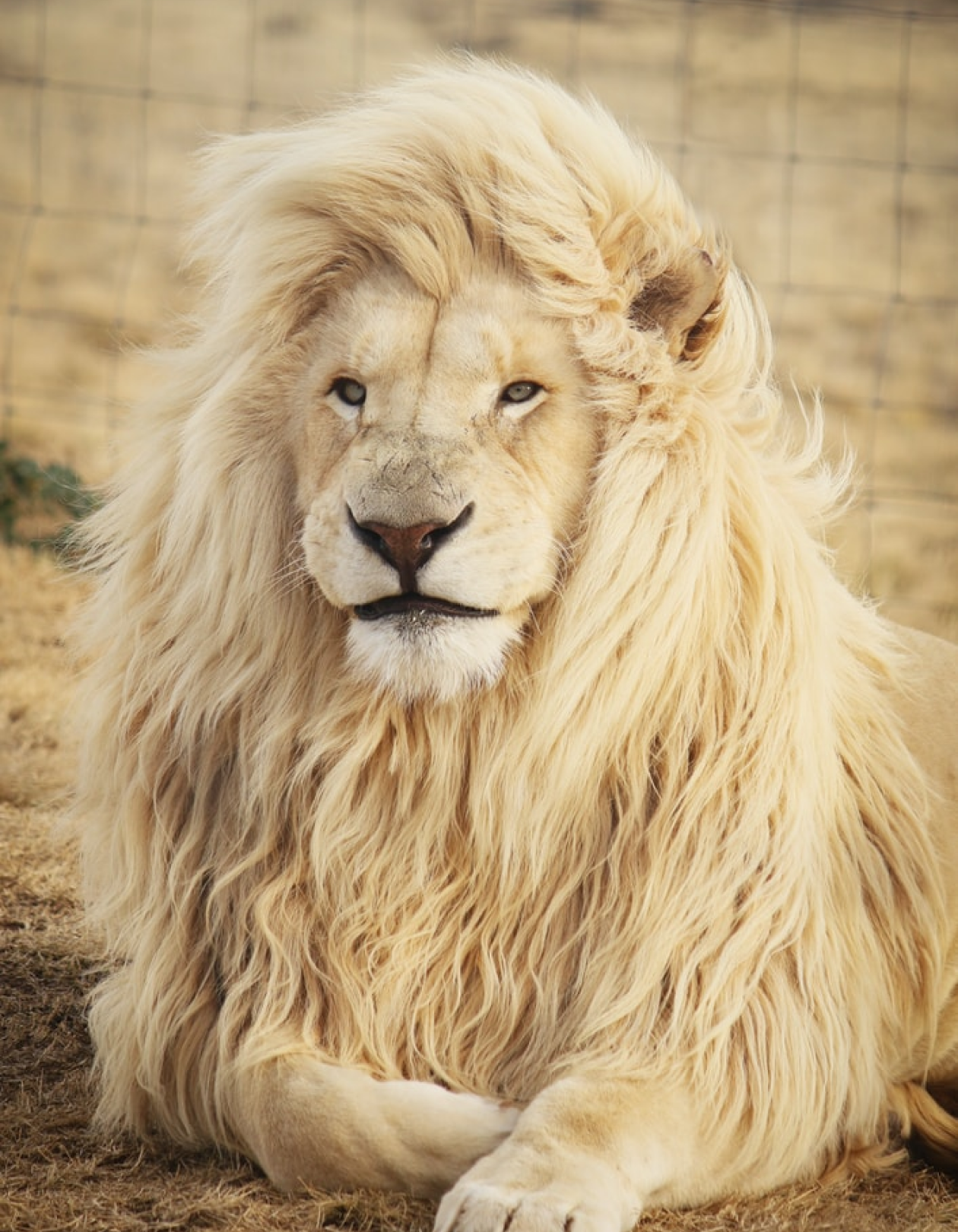
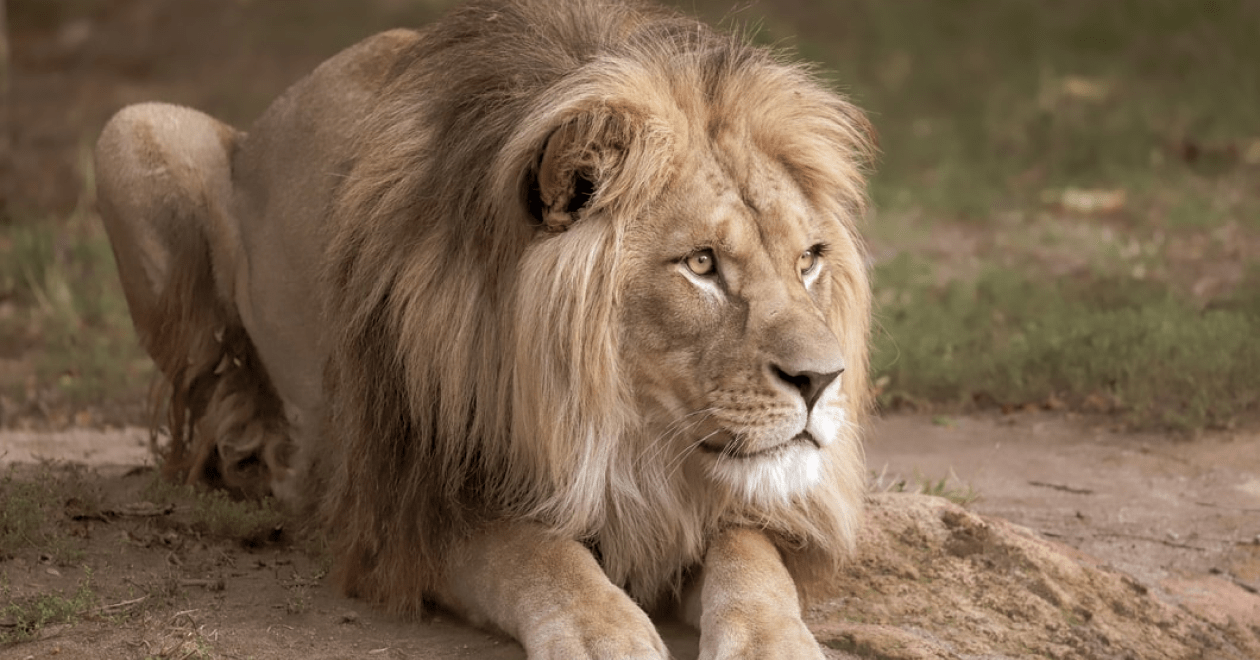
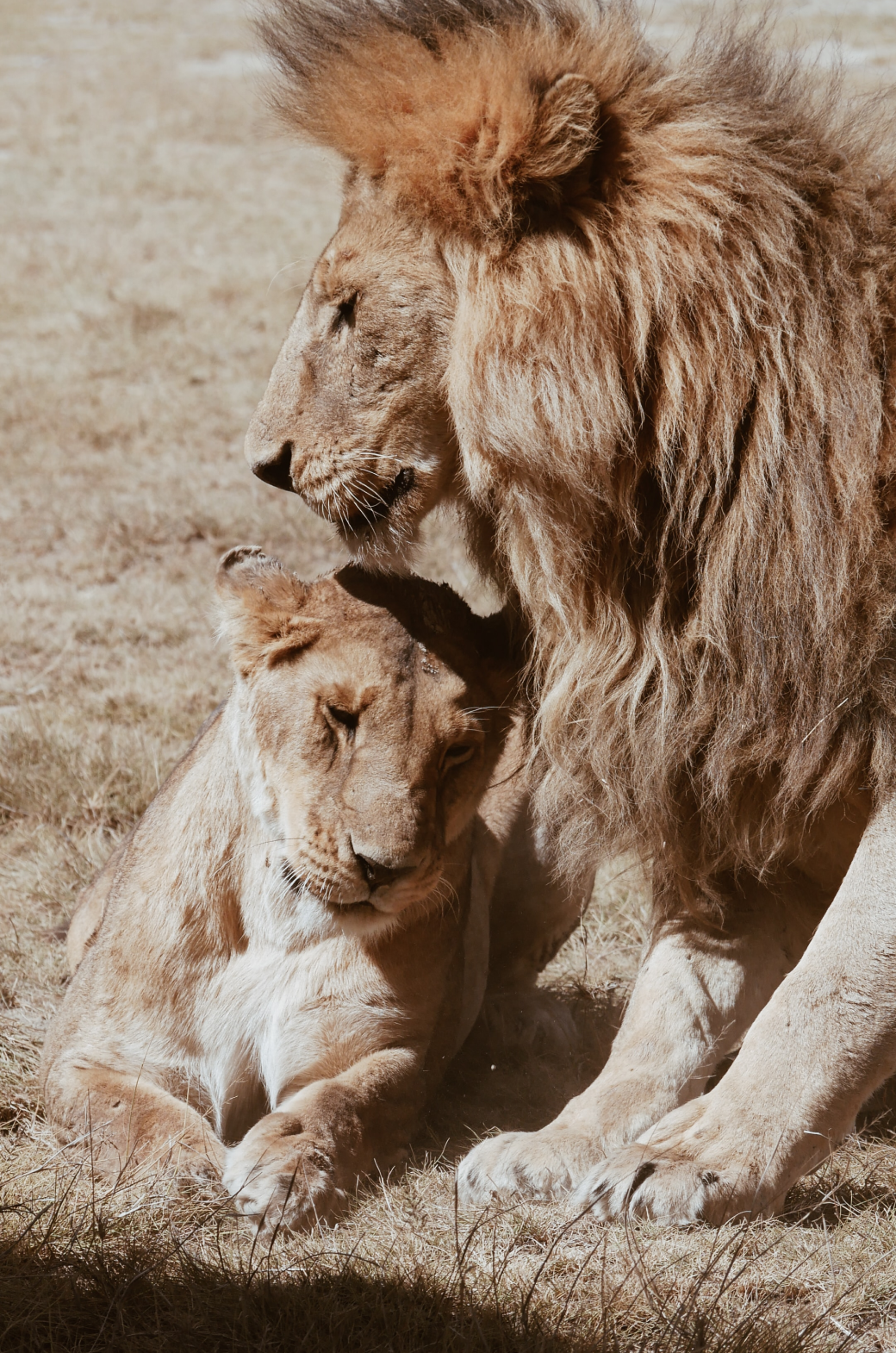
Manes make male lions look larger than they really are, which may function to intimidate rivals and impress prospective mates. Manes vary from one lion to another and may be entirely absent.
TYPES OF LIONS

Katanga lion

Among the types of lions and their characteristics we have the Kantaga lion, also referred to as the Southwest. This large lion subspecies is capable of reaching up to 280 kilograms in weight.

Congo Lion

The Congo lion (Panthera leo azandica), also known as the central African lion, is a lion subspecies distributed along the plains of the African continent, especially in Uganda and the Congo Republic.

Asiatic lion

The Asiatic lion (Panthera leo persica) is native to India, although today it can be found in zoos and reserves in various parts of the world.

West African lion

West African lion, also known as the Panthera leo senegalensis. This lion subspecies lives in packs and measures about 3 meters, including its tail. This variety is in danger of extinction due to poaching and the city expansion, decreasing the amount of prey available.

Barbary lion

The Barbary lion (Panthera leo leo), is a subspecies that became extinct around 1942. There are, however, some specimens that can be found in zoos, such as those found in Rabat (Morocco). However, crossing with other lion subspecies complicates the task of raising pure Barbary lion individuals.

East African lion

Another of the types of lions that still exist is Panthera leo nubica, also recognized as the East African lion. Its body weight ranges between an average of the lion species, that is, between 150 and 200 kilos. The male of this subspecies has an abundant and darker mane than other lion subspecies.

Transvaal lion

The Panthera leo krugeri, more commonly referred to as the Transvaal lion, is from South Africa. This African lion is a variety from the southern part of Africa, and is considered the sister lion to the Katanga lion. Male Transvaal lion species can reach up to 2 meters and 50 centimeters in length.

REPRODUCTION

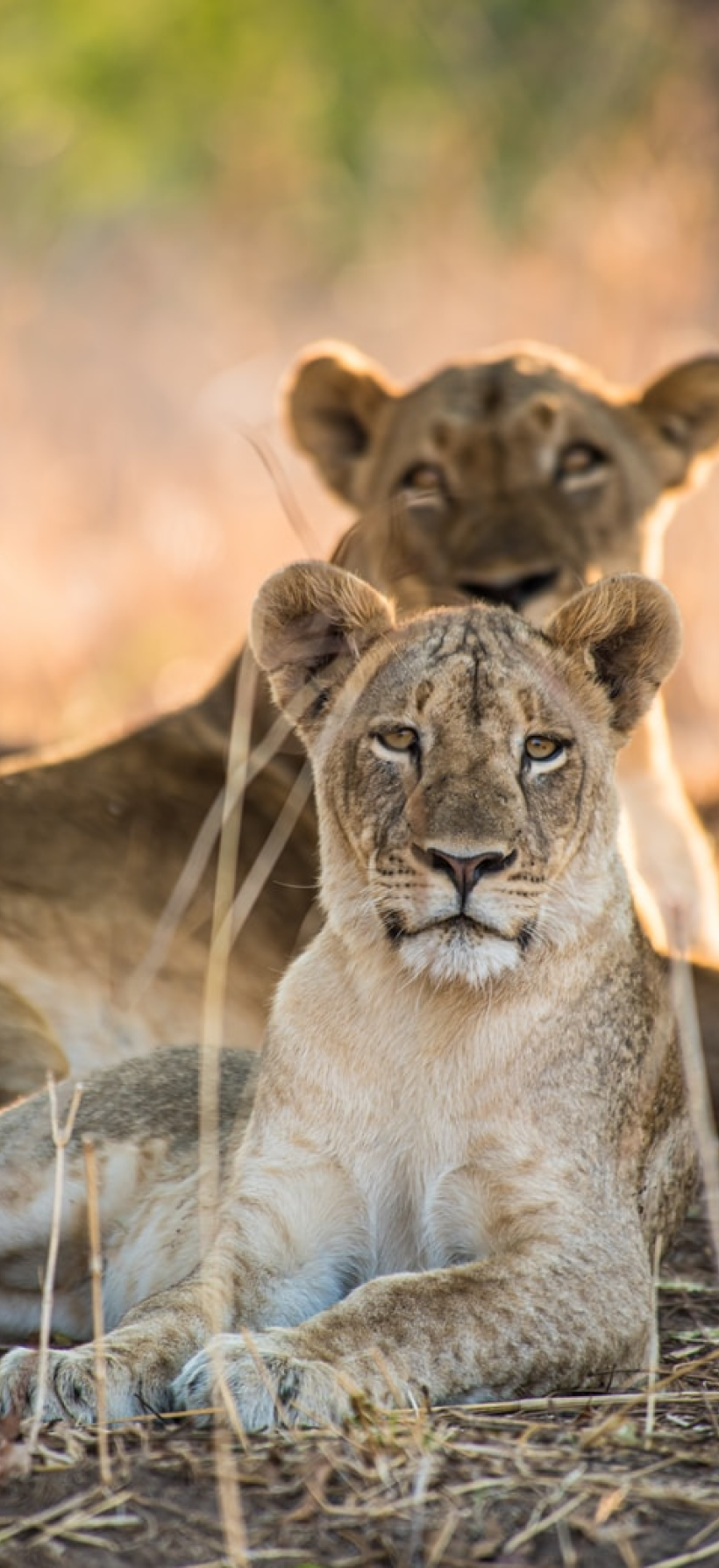
The duration of pregnancy in these animals is 110 days. Shortly before giving birth, the lioness leaves the pride and hides. She can give birth to 1-4 cubs, the weight of which is a little less than 2 kg. Lion cubs are born blind, and they open their eyes only 7 days after birth. For safety reasons, the mother changes her place of stay several times, carrying the children with her. She is engaged in hunting, and the baby is fed with milk. Cubs learn to hunt at the age of 1.5 months, then the whole family joins the pride. With the start of the hunt, lion cubs eat meat little by little, although the milk feeding period lasts about 6 months.

Reproduction in lions is not tied to the season, but begins with the achievement of maturity. Males are considered sexually mature at the age of 6 years, and females at 4 years. Males tend to fight for females. Sometimes these fights are so brutal that the opponent dies.

In captivity lions often breed every year, but in the wild they usually breed no more than once in two years. Females are receptive to mating for three or four days within a widely variable reproductive cycle. During this time a pair generally mates every 20–30 minutes, with up to 50 copulations per 24 hours.

SAVANNA

Vegetation type that grows under hot, seasonally dry climatic conditions and is characterized by an open tree canopy (i.e., scattered trees) above a continuous tall grass understory (the vegetation layer between the forest canopy and the ground). The largest areas of savanna are found in Africa, South America, Australia, India, the Myanmar (Burma)–Thailand region in Asia, and Madagascar.

Savannas arose as rainfall progressively lessened in the edges of the tropics during the Cenozoic Era (66 million years ago to the present)—in particular, during the past 25 million years. Grasses, the dominant plants of savannas, appeared only about 50 million years ago, although it is possible that some savanna-like vegetation lacking grasses occurred earlier. The South American fossil record provides evidence of a well-developed vegetation, rich in grass and thought to be equivalent to modern savanna, being established by the early Miocene Epoch, about 20 million years ago.

Climates across the world became steadily cooler during that period. Lower ocean surface temperatures reduced water evaporation, which slowed the whole hydrologic cycle, with less cloud formation and precipitation. The vegetation of midlatitude regions, lying between the wet equatorial areas and the moist cool temperate zones, was affected substantially.

The main regions in which savannas emerged in response to that long-term climatic change—tropical America, Africa, South Asia, and Australia—were already separated from each other by ocean barriers by that time. Plant migration across those barriers was inhibited, and the details of the emergence of savannas on each continent varied. In each region different plant and animal species evolved to occupy the new seasonally dry habitats.